Hello, welcome to Blessings from Africa
language:  ∷
∷ 
∷ ∷ 
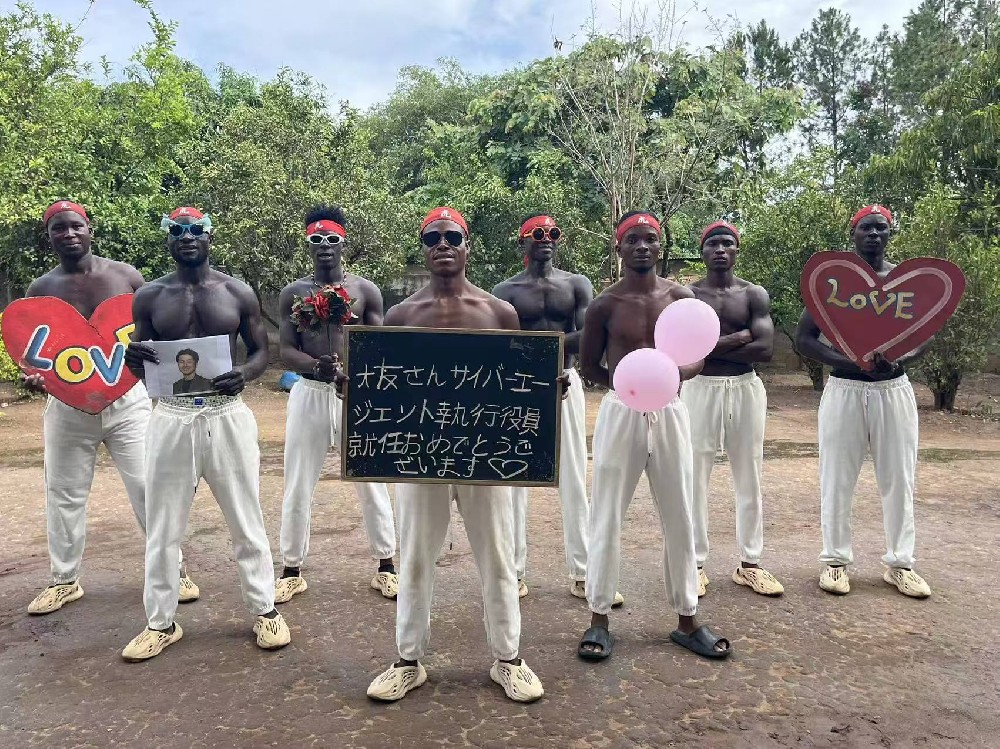
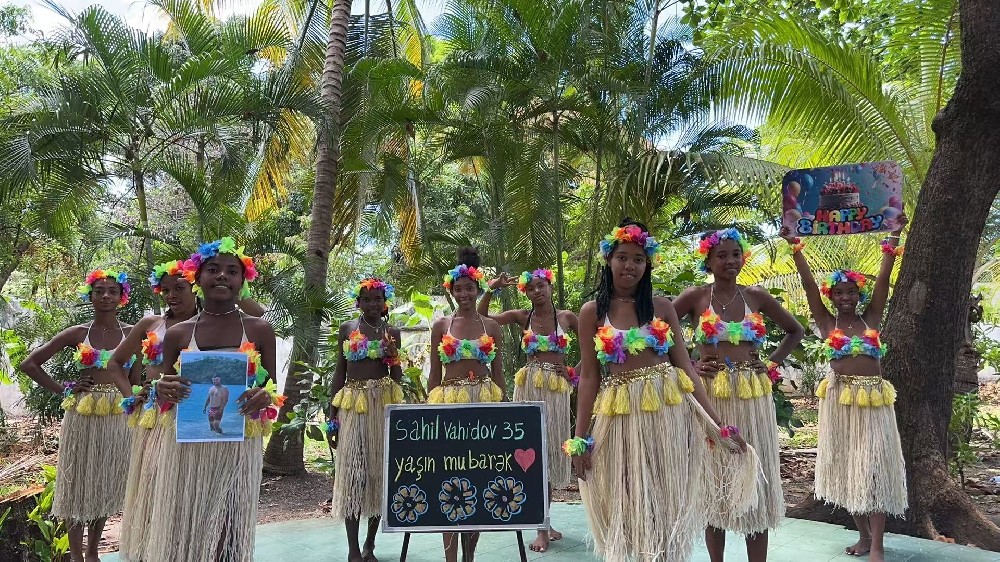
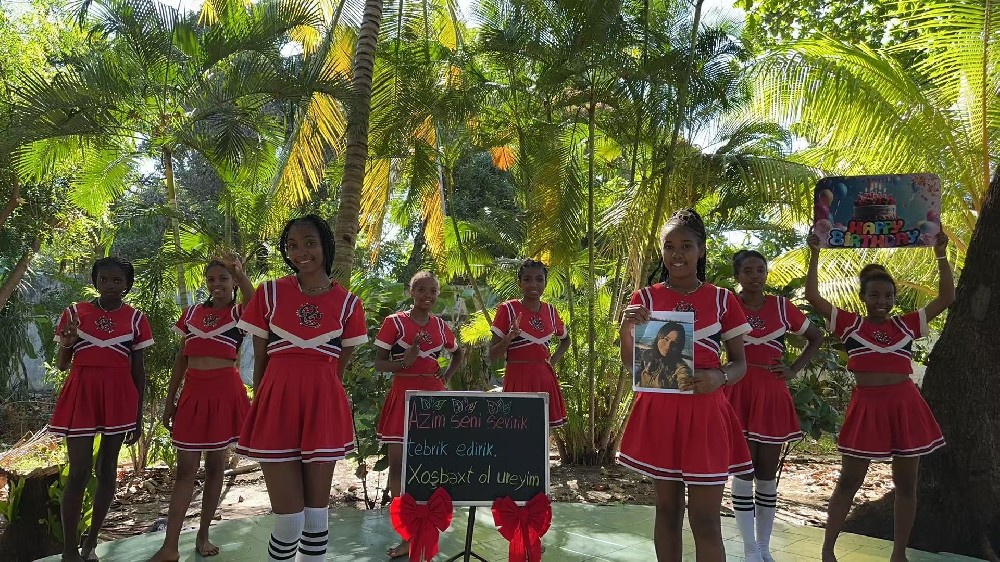
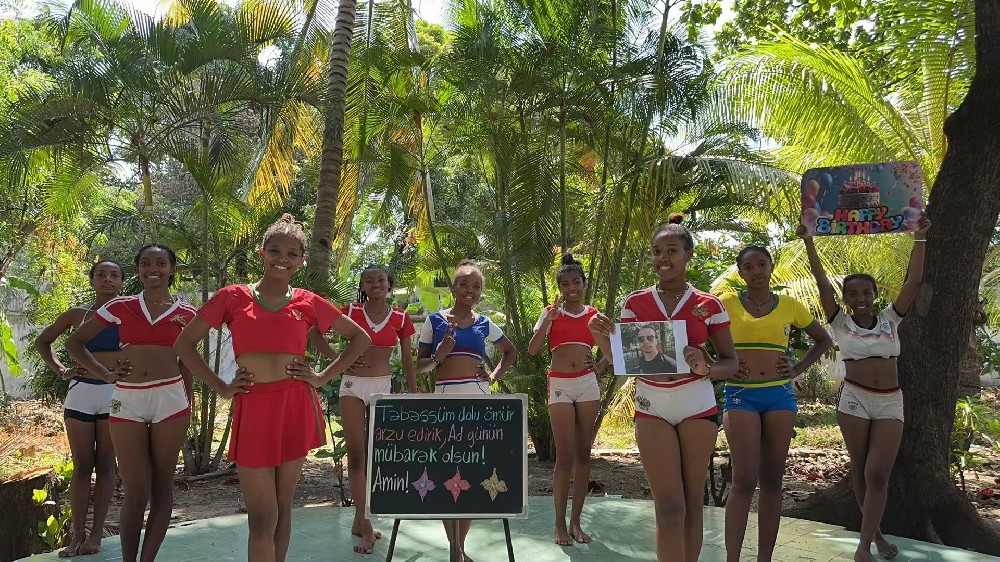
When you open social media platforms, you can always come across a type of short video: a few dark skinned African children gather in front of a simple blackboard, reciting blessings in slightly awkward Chinese in unison. The words "Happy Birthday", "Successful confession", "Prosperous business" and other words on the blackboard are particularly eye-catching, and the ending is often followed by a down-to-earth "666, no problem". This form of blessing, full of exotic charm, quickly became popular across the internet with its novel contrast, becoming a new choice for many people to express their feelings and promote products, and also giving birth to a cross-border commercial industry chain.
The popularity of African card raising blessings is not accidental. In the fast-paced online communication environment, people have long developed aesthetic fatigue towards the monotonous forms of blessings. The combination of African children's childish voices, slightly clumsy pronunciation, and exotic faces creates a unique "variety show effect" that satisfies the public's curiosity. More importantly, this form of blessing has achieved a high degree of standardization: a text limit of 20 words or less, a 5-10 person appearance configuration, a delivery cycle of 1-2 days, and pricing ranging from tens to 200 yuan, making it easy for ordinary people to consume and quickly becoming a "traffic password" in social communication. From personal birthday confession and anniversary wishes, to product promotion and event promotion for enterprises, even well-known companies such as NetEase and Amap have tried this marketing form, further promoting its popularity.
Behind the heat, a clear commercial industry chain has already taken shape. The starting point of this chain is the merchants and short video anchors on domestic e-commerce platforms, who are responsible for taking on customer orders and collecting customized copy; The intermediate stage involves non Chinese photographers who venture deep into African slums and organize local children to complete the filming; The endpoint is paying customers, who receive the video and spread it on social media platforms to complete blessing delivery or brand promotion. In this industry chain, there is a clear imbalance in profit distribution: a single video can be sold for around 200 yuan on the Taobao platform, and the filmmaker can receive 90-100 yuan per video. However, African children who participate in the filming often only receive a few yuan in compensation, or some snacks or stationery as compensation. Some agents bluntly stated that 'most of the money is still taken by the photographers and merchants', and the labor value of children is seriously underestimated.
As the heat rises, the controversy behind the African card raising blessing is gradually emerging. The most central controversy revolves around the protection of the rights and interests of minors. Although the photographer claimed that 'the children were all voluntary and the parents were aware', do these children from slums truly understand the meaning of the sign text? When there are indecent words, pornographic information, or expressions that violate advertising laws such as "highest level" and "best" in the copy, is it suspected of using minors for harmful performances by letting ignorant children spread these contents? What is even more alarming is that some businesses deliberately package their business activities as "public welfare projects" in order to attract customers, claiming that "most of the income goes to African babies". This false advertising not only misleads consumers, but also undermines the true value of public welfare.
From a legal perspective, there are still many compliance risks associated with such sign up videos. The new version of the Advertising Law clearly includes the promotion information posted by individuals through social media in the regulatory scope, and the common problems of illegal advertising slogans and wrong categories in African billboard videos have already crossed the legal red line. At the same time, the photographer did not sign a formal portrait usage agreement with the children and their guardians, and widely disseminated videos containing children's facial features for commercial profit, which may also infringe on the portrait and privacy rights of minors. In this regard, platforms such as Taobao have clearly stated that such videos "carry risks and may be investigated at any time", and once violations are found, merchants will be punished.
In the face of controversy, the photographer's defense and public questioning have formed a sharp opposition. Some photographers believe that they are making money openly and promoting Chinese culture, which deserves praise; But in the eyes of the public, this commercial behavior of exploiting vulnerable groups' labor at extremely low costs and instrumentalizing minors clearly violates public order and good customs. What is even more worth pondering is that the popularity of African card raising blessings reflects the abnormal pursuit of "curiosity driven consumption" by some people. When traffic becomes the only pursuit, the rights of vulnerable groups are easily overlooked.
It cannot be denied that in the context of uneven economic development, filming sign up videos may bring a small amount of income to children in African slums, but this must not be an excuse for commercial exploitation. True assistance should be based on respect and equality, rather than exploiting one's disadvantaged position for excessive profits. For ordinary consumers, when faced with such novel forms of blessings, they should remain rational and refuse to pay for commercial activities that infringe on the rights and interests of minors and violate laws and regulations.
When the frenzy of traffic fades away, the blessings left by Africa are not only controversial, but also a questioning of online business ethics. In the digital age, any creative marketing cannot cross the legal and moral bottom line, let alone sacrifice the rights of vulnerable groups. Only by adhering to the principles of respect and equality can we restore the clarity of cyberspace and enable commercial innovation to truly serve the enhancement of social value.
 WeChat scan code

support hotline18233997805

mobile phone15613911906
© 2026 Blessings Video. All Rights Reserved. Sitemap